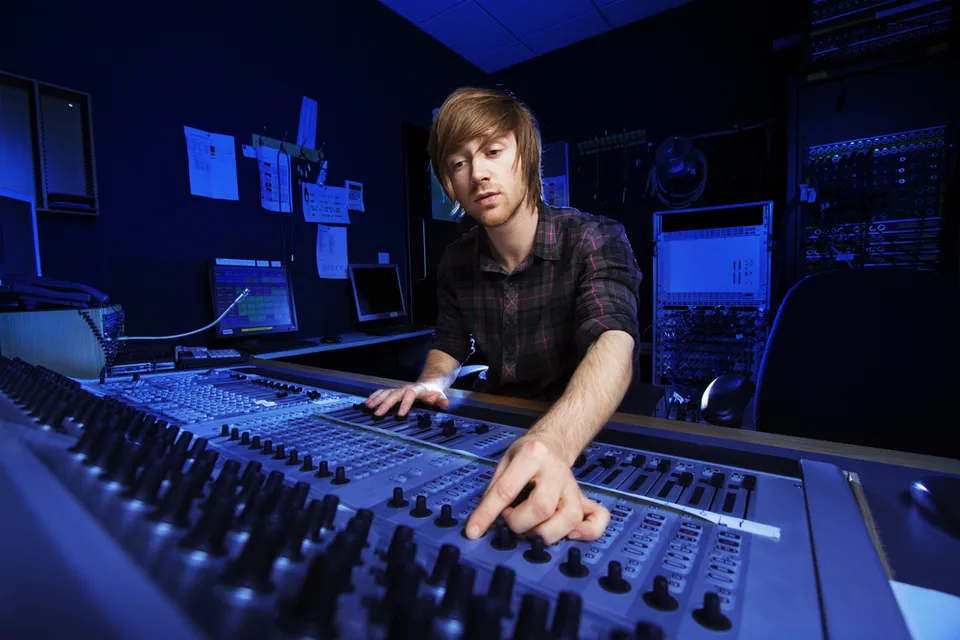
Rehearsing with other musicians and recording a song solve different problems. A rehearsal room gives you a place to develop an arrangement together; a recording session captures performances and may involve an engineer, editing and mixing. Before booking in Sunderland, decide which outcome you need so you can ask for the right space and an accurate quote.
The Bunker
The Bunker is a not-for-profit music organisation at 29 Stockton Road, Sunderland, SR2 7AQ, offering rehearsal and recording facilities. Contact the team about room availability, equipment, access and the session you have in mind. Ask for a current quote and check what is included.
The Bunker’s official site separates rehearsal and recording enquiries, making it a useful first contact for a band developing a project. Explain the number of players, the instruments and whether you need a vocal PA. Ask about the room assigned to your booking, equipment included and how load-in works. Do not assume a photograph shows everything supplied in every room. Confirm the booking length, payment arrangements and cancellation terms before collecting money from bandmates.
Recording and Room 3
The Bunker’s website presents recording alongside rehearsal services and includes Room 3 imagery. Contact the current team to establish the right recording facilities and engineer for your project. Ask what is included in the session rather than treating rehearsal hire as a recording package.
Describe your intended result: a rough demo to assess the song, a live performance video, or an audio recording for release. These can require different preparation and budgets. Clarify whether the booking covers recording only or also includes editing, mixing and later revisions. Ask about file formats, delivery times and keeping a backup of the project. If several people contributed to a song, agree how recording and release decisions will be made before the session.
Before booking rehearsal time
Decide what the band wants to achieve: a clean arrangement, transitions between songs or preparation for a gig. Ask which amplifiers, drum equipment, microphones and cables are supplied. Bring spare strings, ear protection and a short set list, and leave time to set up and pack away.
Write a realistic rehearsal plan with one or two priorities. For example, you could settle the introduction and ending of a song, then practise the transition into the next number. Start with a short tuning and sound check, and keep playing volume low enough that everyone can hear instructions. Leave pauses to discuss changes. Repeating a full set without addressing the same mistakes can use the room time without moving the arrangement forward.
Prepare for recording
Practise to a steady pulse, settle the song structure and check that your guitar stays in tune. Make a rough phone recording to find sections that need work before paying for studio time. A simple reference track helps explain the sound you want without promising an exact copy.
Check cables, batteries and tuning before the recording day, and deal with persistent instrument problems in advance. Bring a written song structure and note any tempo changes or alternate tunings. If you plan to record to a click, practise with one beforehand so it is familiar. Ask the engineer about the recording method rather than assuming everyone will play together or that every part will be recorded separately. Both approaches place different demands on preparation.
Checking older studio recommendations
Confirm a studio’s current operator, location and booking arrangements before making plans. Old directory entries can remain searchable after services, equipment or contact details change; their quoted prices may no longer apply.
Older search results can help you discover a name, but a current direct reply is more useful for booking. Ask who operates the space, where the session takes place and what equipment or engineer is included. If a service cannot be confirmed, choose another option rather than building a project around an old rate card. For a first experiment, a simple private practice recording may be enough to identify what needs attention before paying for a larger session.
After a rehearsal or recording, choose a small number of changes to work on next. Listen for timing, chord clarity and whether the guitar leaves room for the voice, rather than only the finished sound. The equipment and repair guide can help with practical instrument preparation; ask Alan about lessons if a particular playing problem keeps returning.
Reviewed 1 November 2026. Provider details are linked above; confirm current visiting and booking arrangements directly.